
Buying Land in Montana: The Complete Guide for Buyers
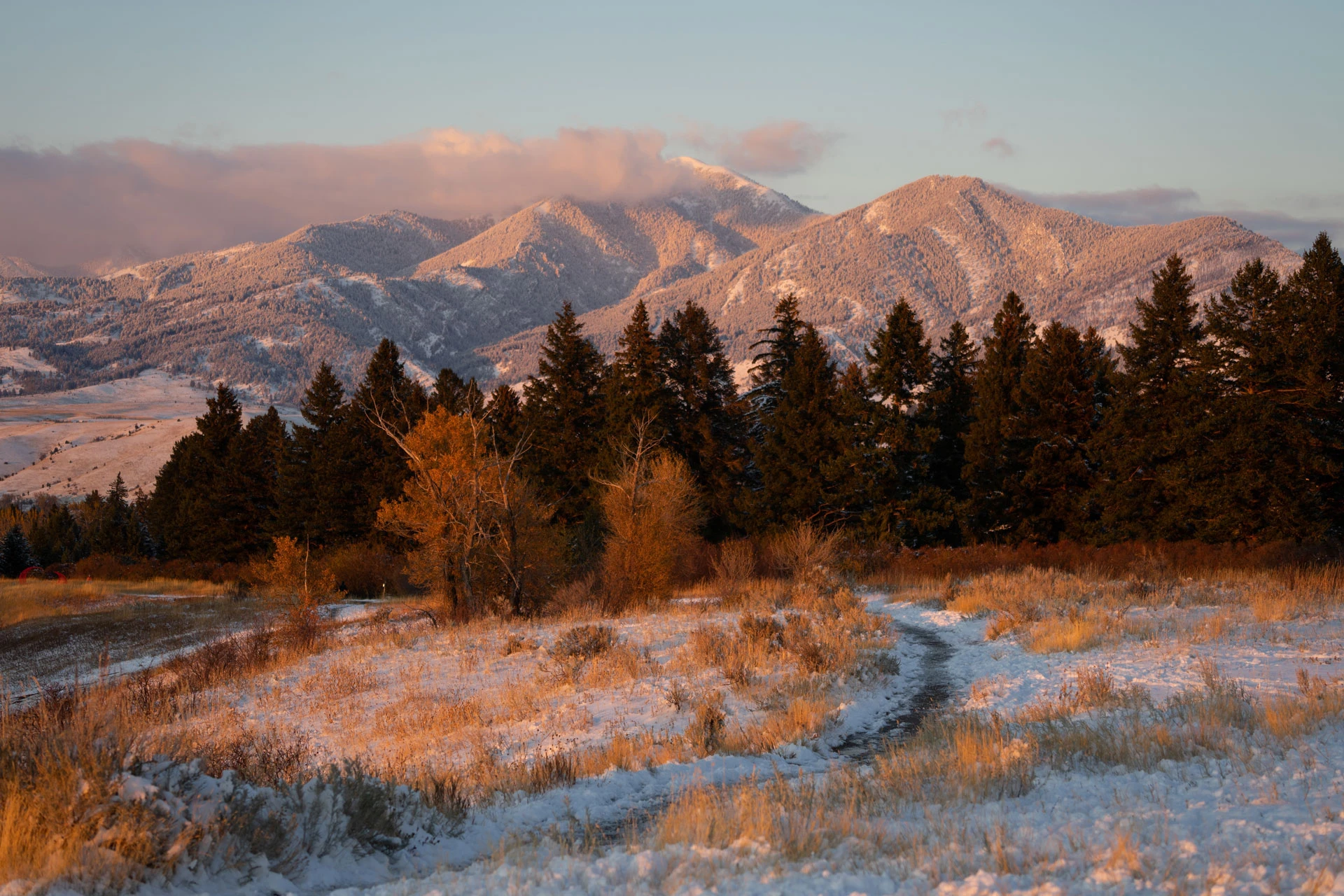
Your Guide to Buying Montana Land
Dreaming of building a home with mountain views, owning a recreational retreat, starting a ranch, or investing in Montana real estate? Buying land in Montana offers incredible opportunities—but it also comes with unique considerations that many buyers don’t encounter when purchasing an existing home.
At ERA Landmark, we’ve helped buyers purchase land throughout Southwest Montana, including Bozeman, Belgrade, Big Sky, Livingston, Ennis, Three Forks, Gallatin Gateway, and beyond. This guide answers the most common questions buyers are asking today and highlights the factors that can make or break a land purchase.
Frequently Asked Questions About Buying Land in Montana
Can You Build a Home on Any Piece of Land in Montana?
Not necessarily. One of the most common questions buyers ask is: "Can I build on this property?" The answer depends on several factors:
- County zoning regulations
- Subdivision covenants and restrictions
- Building setbacks
- Floodplain status
- Septic approval
- Road access
- Utility availability
A parcel may be zoned for residential use but still have site conditions that make building difficult or expensive. Steep terrain, poor soils, floodplain restrictions, or lack of septic approval can all affect development plans.
What Are Water Rights in Montana?
This is arguably the most important question land buyers should ask. Unlike many states, water rights in Montana are separate from land ownership. Just because water runs through a property—or exists beneath it—does not automatically mean you have the right to use it. Montana follows the "first in time, first in right" system, meaning older (senior) water rights generally have priority over newer rights during shortages.
Before purchasing land, buyers should determine:
- Whether water rights transfer with the property
- If irrigation rights exist
- Whether a well can be drilled
- Whether the property has existing water rights on record
- If there are restrictions on future water use
For agricultural, ranch, and recreational properties, water rights can significantly impact value.
Can I Drill a Well?
Many rural Montana properties rely on private wells. Before buying land, consider:
- Nearby well depths
- Water quality
- Well drilling costs
- Local aquifer conditions
- State regulations regarding new wells
Well costs vary considerably across Montana and can become a significant part of your development budget.
Does the Property Need a Septic System?
If public sewer service isn't available, you'll likely need a septic system. One of the most searched land-buying questions is: "Will this property pass a septic test?" Before purchasing, buyers should investigate:
- Existing septic approvals
- Soil suitability
- Percolation (perc) test requirements
- Local health department regulations
- Potential septic installation costs
A failed perc test can significantly impact a property's buildability.
Does the Property Have Legal Access?
A road on a satellite map doesn't always mean a property has legal access. Buyers should verify:
- Recorded easements
- Public versus private roads
- Road maintenance agreements
- Year-round accessibility
- Winter access conditions
Access issues consistently rank among the most common problems discovered during land due diligence.
Are Utilities Available?
A common question is: "How much will it cost to get utilities to the property?" Before purchasing, determine whether the property has access to:
- Electricity
- Natural gas
- Internet service
- Cell coverage
- Community water systems
- Community sewer systems
In some rural areas, extending utilities can cost tens of thousands of dollars.